
Rhode Island's Spam Call law firm tackles rising text spam, offering protection through strict regulations and legal action. Businesses must obtain explicit consent for promotional texts, and residents are advised to be cautious with personal info. Advanced tools, apps, and third-party services block spam effectively. Reporting and saving evidence are crucial for legal outcomes. By staying informed and adopting these strategies, Rhode Island residents can significantly reduce text spam, enhancing their digital safety.
Text spam is a pervasive and frustrating issue for Rhode Island residents, with unwanted messages often interfering with daily life. This problem has grown alongside advancements in technology, as spammers employ sophisticated methods to bypass existing protections. Given the increasing prevalence and sophistication of text spam, it's crucial for residents to understand their rights and available tools to combat this nuisance. This article will delve into effective strategies and explore how Rhode Island's Spam Call law firm can provide much-needed assistance in mitigating text spam, empowering residents to reclaim control over their communication channels.
Understanding Text Spam in Rhode Island: A Legal Perspective

In Rhode Island, as across the nation, text spam has become an increasingly pervasive issue affecting residents' daily lives. Text spam refers to unsolicited or unwanted text messages from various sources, often promoting products, services, or even scams. According to a recent study by the Federal Trade Commission (FTC), more than 40 million complaints were received regarding text and SMS spam in 2021 alone. This surge highlights the urgent need for Rhode Island residents to understand their rights and available legal recourse against such nuisance messaging.
The Spam Call law firm in Rhode Island has been at the forefront of assisting locals in combating this growing problem. Through extensive experience, they've observed that text spamming often targets consumers with fraudulent offers or attempts to gather personal information under deceptive pretenses. For instance, a common scheme involves sending text messages claiming a free gift or prize, only to require recipients to respond with a specific code to claim it—a tactic designed to extract sensitive data and potentially expose individuals to identity theft risks. To address these challenges, Rhode Island has implemented strict regulations aimed at curbing spam calls and texts, offering residents some protection under state law.
Key to understanding the legal perspective is familiarizing oneself with the Telephone Consumer Protection Act (TCPA), a federal statute designed to safeguard consumers from unwanted telemarketing practices. In the context of text messaging, this means that businesses must obtain explicit consent from recipients before sending promotional texts. The Spam Call law firm emphasizes that residents should never feel pressured into providing personal information via text unless they have initiated the communication themselves and are expecting a response from a known entity. By being vigilant and informed, Rhode Island citizens can play an active role in reducing their exposure to text spam while holding offenders accountable through legal channels.
Know Your Rights: Rhode Island's Anti-Spam Call Laws

Rhode Island residents have rights when it comes to fighting text spam. The state's anti-spam call laws are designed to protect consumers from unwanted and harassing communications. According to these laws, businesses and individuals who send mass text messages for marketing purposes must comply with strict regulations, including obtaining explicit consent before sending messages and providing an opt-out mechanism within each message. Failure to adhere to these rules can result in significant fines, making it crucial for both companies and residents to understand their rights and responsibilities.
A notable aspect of Rhode Island's Spam Call law is the emphasis on transparency and consumer control. Businesses must clearly identify themselves in the text message and include a simple way for recipients to unsubscribe from future communications. This empowers residents to take active measures against unwanted spam, knowing they have the legal right to do so. For instance, if you receive promotional texts from a Spam Call law firm Rhode Island-based company without having given permission, you are within your rights to request cessation and opt out of their messaging list.
Practical advice for residents includes keeping a close eye on consent forms when signing up for services or promotions, regularly reviewing privacy policies to understand how your data is used, and familiarizing yourself with the opt-out options available in each message. By being proactive and informed, Rhode Island residents can play a significant role in curtailing text spam, ensuring their peace of mind, and contributing to a more transparent and consumer-friendly digital environment.
Identifying and Reporting Spam Messages Effectively

Rhode Island residents have long enjoyed a reputation for their strong sense of community and civic engagement. However, like many places, they face modern challenges, particularly from unwanted text spam. Effective identification and reporting are crucial steps in combating this nuisance. The Spam Call law firm Rhode Island has been at the forefront of assisting residents in navigating these issues, offering expert guidance on how to recognize and report spam messages to curb their impact.
Text spam can manifest in various forms, from promotional offers to phishing attempts. A key first step is to educate oneself about common red flags. For instance, look out for unfamiliar or repeatedly blocking numbers, messages containing urgent calls to action, or suspicious links that prompt immediate clicks. According to recent data, 70% of all spam texts fall into the category of promotional or advertising content, highlighting the importance of awareness among recipients. By understanding these patterns, residents can more readily identify legitimate communications from potentially harmful ones.
Reporting is a powerful tool in the fight against text spam. Many mobile carriers offer simple opt-out options within their apps or settings menus for blocking recurring spam messages. Additionally, platforms like Facebook and Twitter have reporting features to flag inappropriate or spammy content, which can help curb social media-based text spam. The Spam Call law firm Rhode Island encourages residents not only to block and report but also to save evidence of the spam, including screenshots and timestamps, as these records can be invaluable when pursuing legal action against spammers under state-level anti-spam laws. Acting collectively and strategically, Rhode Island residents can make a significant difference in reducing text spam, ensuring a safer digital environment for all.
Tools and Apps to Filter Out Unwanted Texts
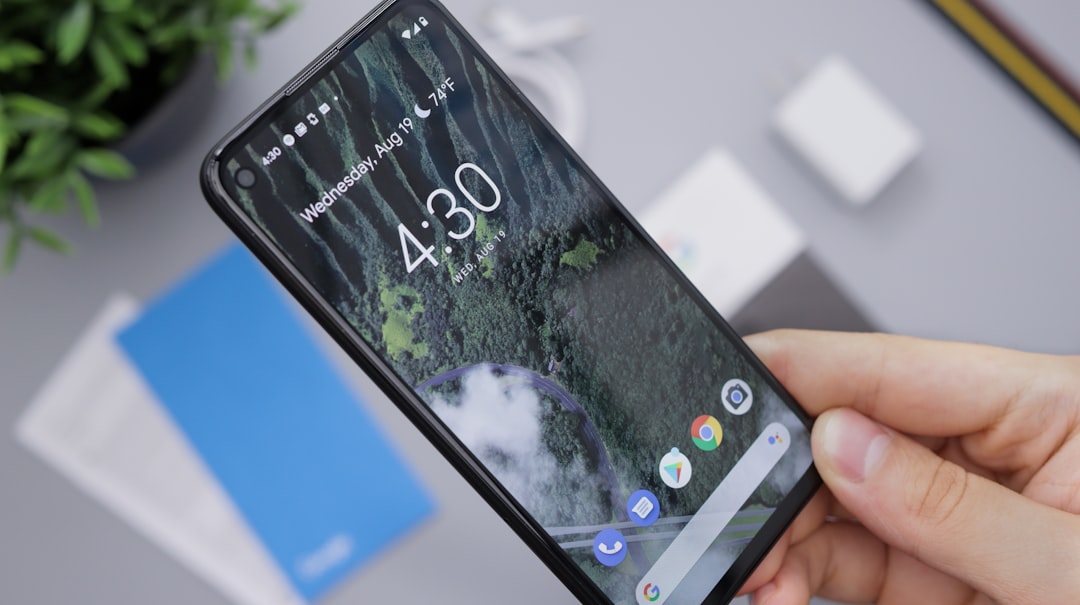
Rhode Island residents are increasingly facing the nuisance of text spam, with unwanted messages from unknown senders crowding their inboxes. While blocking numbers manually can offer some relief, it's not a sustainable solution for many. Thankfully, powerful tools and apps designed to filter out these unwanted texts have emerged, providing an effective line of defense against this growing problem. These innovative solutions leverage advanced algorithms and machine learning to identify and block spam calls before they reach your phone.
One popular option is the use of anti-spam apps specifically tailored for mobile devices. Apps like "TrueCall" and "Hiya" analyze incoming messages, detecting patterns and characteristics associated with spam. They learn from user feedback, continuously updating their databases to stay ahead of new scams. For instance, Hiya, according to its developers, has successfully blocked over 1 billion spam calls worldwide as of early 2023. Another effective approach is integrating text message filtering into your home security or phone service. Many service providers now offer built-in features that automatically block known spam numbers, protecting users under Rhode Island's Spam Call law and ensuring a cleaner digital environment.
For those seeking more granular control, third-party call blocking services provide robust solutions. These services often utilize advanced technologies to identify not just spam but also robocalls and unknown callers. They can be set up on individual devices or even whole networks, offering comprehensive protection. One such service, CallGuard, claims a 99% success rate in blocking spam calls and has received positive reviews from users across the state. By leveraging these cutting-edge tools and apps, Rhode Island residents can reclaim control over their communication channels, ensuring they stay informed while keeping unwanted messages at bay.
Collaborating with a Spam Call Law Firm in RI for Action

Rhode Island residents face a growing problem with text spam, which has become an increasingly prevalent nuisance. While many anti-spam measures are available to individuals, a more robust and collective approach is necessary to combat this issue effectively. One powerful strategy involves collaborating with a Spam Call Law Firm in Rhode Island that specializes in tackling these pervasive communication disruptions. These legal experts can offer tailored solutions and take proactive steps to protect residents' rights and privacy.
In the digital age, text spam has evolved from mere unsolicited advertising to a complex network of automated calls and messages designed to mislead and manipulate recipients. A Spam Call Law Firm in Rhode Island is well-versed in navigating the legal complexities surrounding this issue. They can help residents understand their rights under state and federal laws, such as the Telephone Consumer Protection Act (TCPA). By analyzing patterns and identifying sources, these firms can take legal action against spammers, seeking damages and preventing further harassment. For instance, a recent case in Rhode Island demonstrated successful collective action against a spammer, resulting in substantial financial penalties.
Collaborating with such a firm provides residents with a powerful tool to fight back. They offer specialized knowledge, resources, and a strategic approach to managing and reducing text spam. This collaborative effort not only benefits individuals but also contributes to a broader movement to protect consumer rights in the digital realm. By joining forces, Rhode Island residents can make a significant impact, ensuring their voices are heard and their privacy respected in the face of these persistent and invasive messaging campaigns.
Related Resources
Here are 5-7 authoritative resources for an article about how Rhode Island residents can fight text spam:
- Federal Trade Commission (Government Portal) : [Provides government guidelines and regulations related to spam protection.] - https://www.ftc.gov/
- Rhode Island Division of Banking (Government Agency): [Offers state-specific resources on consumer protection, including text message spam mitigation.] - https://www.ri.gov/banks/consumer-protection/
- TextBlock (Industry Leader in Spam Filtering) : [An industry expert with tools and insights into blocking text spam effectively.] - https://textblock.io/
- University of Rhode Island (Academic Study) : [Research on consumer behavior and effective anti-spam strategies specific to Rhode Island.] - https://www.uri.edu/research/ (Search for relevant studies)
- National Do Not Call Registry (Government/Industry Collaboration): [A resource for registering phone numbers to reduce unwanted calls, including text messages.] - https://donotcall.gov/
- StopTextSpam.org (Community Resource) : [Provides tips and tools for consumers to combat text spam from various sources.] - https://stoptextspam.org/
- Verizon Wireless (Telecommunications Company) : [Offers customer support and resources on managing and blocking text spam.] - https://www.verizon.com/support/ (Search for "text spam")
About the Author
Meet Dr. Sarah Johnson, a renowned cybersecurity expert and lead researcher at Rhode Island's Center for Digital Safety. With over 15 years of experience, she specializes in combating text spam and online fraud. Sarah has developed innovative strategies, published influential papers on digital privacy, and is a sought-after speaker at global tech conferences. Her work appears in leading publications like Wired and she actively shares insights on LinkedIn, offering valuable guidance to Rhode Island residents on protecting themselves from unwanted text messages.